


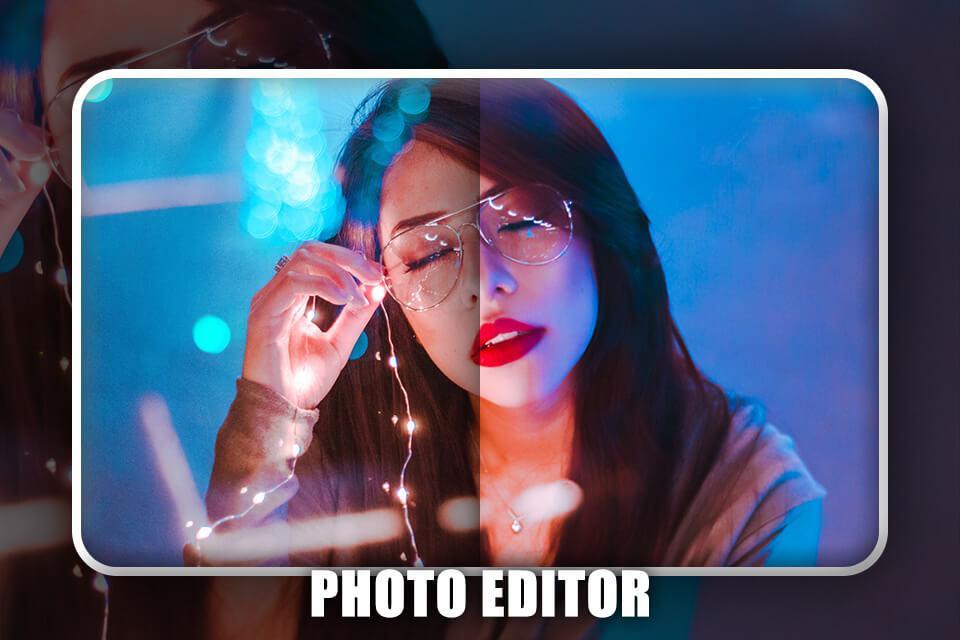
What Is the Best AI Photo Software and How Can AI Product Photo Generators Transform Branding?
- max leo
- Social Media
- 2025-08-29 13:34:35
- 1314K
Introduction: Why Photos Still Rule the Digital World
Scroll through any social media feed. Ads. Campaigns. Stories. What grabs your eyes first? Photos. Visuals. A single image can stop someone mid-scroll.
That’s where best AI photo software comes in. It’s not just about editing anymore. It’s about creating. Re-imagining. Saving time. Making businesses look professional without endless resources.
And when you combine that with an AI product photo generator, the game changes even more. Suddenly, startups and big brands alike can create flawless product visuals that would normally require expensive shoots.
What Is AI Photo Software?
At its core, AI photo software uses machine learning to automate editing. It recognizes faces, objects, lighting conditions, and makes instant adjustments.
Instead of spending hours adjusting exposure or removing blemishes, you can now press a button. Done. Polished. Professional.
The best AI photo software doesn’t just replace human skill—it enhances it. It speeds up workflows, reduces costs, and allows creativity to flow without being bogged down by technical details.
Why the Best AI Photo Software Matters Today
We live in a digital-first economy. From Instagram ads to eCommerce product listings, images are everywhere. Bad photos? They kill trust. Great ones? They sell.
Here’s why businesses lean heavily on AI-driven editing:
Time-saving: Edits that took hours now take seconds.
Consistency: Every photo looks uniform across a campaign.
Accessibility: Even beginners can create professional-looking photos.
Affordability: Smaller businesses save money by skipping large editing teams.
In short, using the best AI photo software isn’t a luxury anymore. It’s survival in a competitive digital market.
Who Uses AI Photo Software the Most?
Different industries rely on these tools. Let’s break it down.
E-commerce – Sellers need clear, sharp, enticing images.
Marketing agencies – They handle dozens of campaigns daily.
Real estate – Property listings live and die by their images.
Fashion & beauty brands – Retouching is everything.
Food businesses – Visual appeal drives appetite.
Even freelancers—photographers, designers, marketers—depend on it. Because the best AI photo software makes their work faster and more effective.
What Is an AI Product Photo Generator?
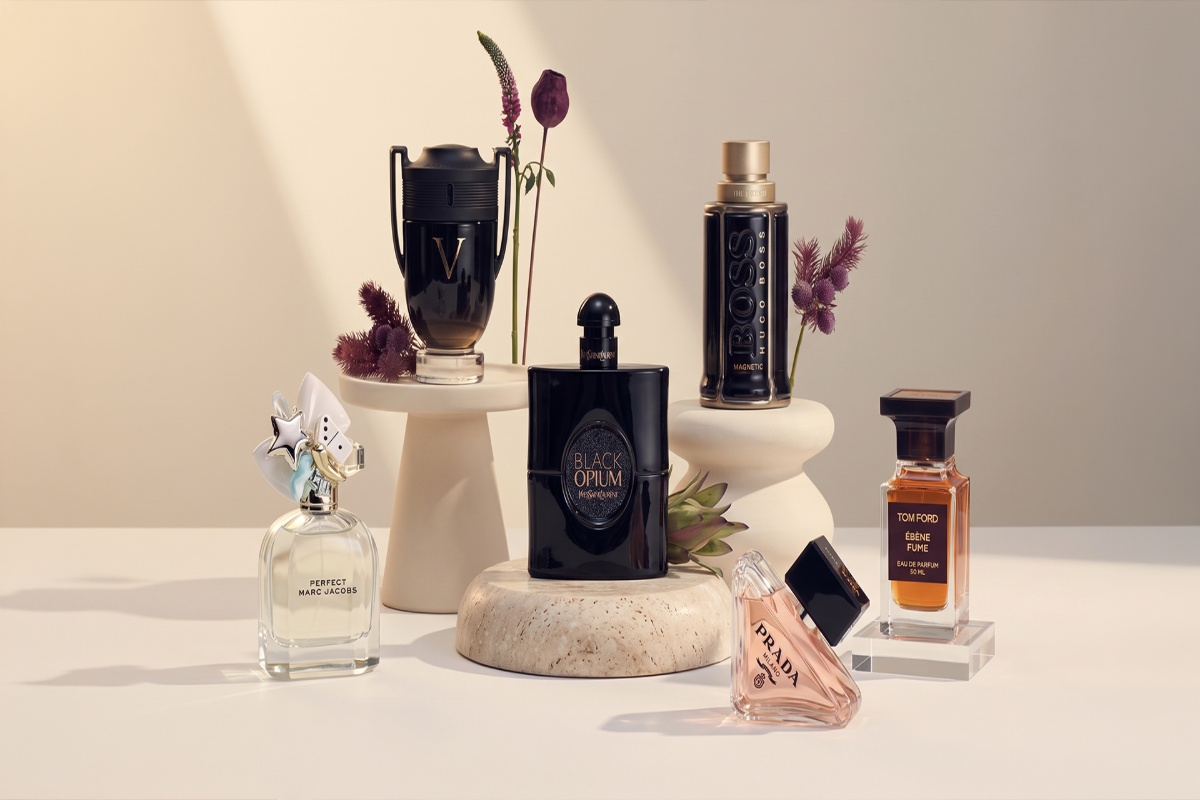
An AI product photo generator is like magic for businesses. Instead of hiring a studio, models, props, and lighting gear, you can generate professional product photos in minutes.
Upload a simple shot of your product. The tool adds backgrounds, props, and styles that fit your brand. Want your shoes displayed in a beach setting? Done. Want your coffee mug styled in a cozy café scene? Just click.
These tools aren’t just about making pictures pretty. They’re about storytelling. They create a narrative around the product.
The Difference Between AI Photo Software and AI Product Photo Generator
Both sound similar but they serve slightly different purposes.
Best AI photo software focuses on editing. Enhancing existing photos, retouching, color balancing, and fixing flaws.
AI product photo generator focuses on creating. It takes raw or basic shots and builds polished, brand-ready visuals around them.
Think of it this way:
Software = Polishing what you already shot.
Generator = Creating what you couldn’t shoot in the first place.
Real-Life Story: Small Brand, Big Impact
Let’s imagine this.
A small skincare brand launches with a tight budget. They can’t afford professional models or high-end studios. Their team takes basic product shots with a smartphone.
Now, they upload those shots into the best AI photo software. Colors pop. Lighting adjusts automatically. Shadows balance.
Next, they use an AI product photo generator. Suddenly, the cream jar appears on a marble counter, surrounded by natural greenery. Another version places it in a luxury bathroom setting.
In a week, they create content that would normally cost thousands. Their Instagram feed looks high-end. Customers notice. Sales grow.
That’s the power of combining these tools.
The Key Features of the Best AI Photo Software
What makes one software better than another? Let’s look at the essentials.
Automatic Retouching – Removes blemishes, smooths textures.
Background Removal – Cuts objects out cleanly in seconds.
Color Enhancement – Adjusts tones for vibrant results.
Batch Processing – Edits multiple photos at once.
Style Matching – Ensures all images align with brand aesthetics.
The top players often include AI-driven smart suggestions, where the software itself tells you what adjustments would work best.
The Key Features of an AI Product Photo Generator
Unlike general editing software, these tools focus on products. Key features include:
Scene generation (indoor, outdoor, lifestyle)
Automatic lighting simulation
Shadow creation for realistic depth
Template-based ad designs
Brand style customization
Instead of needing Photoshop mastery, small businesses can now build high-quality campaigns themselves.
How to Choose the Best AI Photo Software
Not every tool is equal. Choosing the right one depends on your needs.
Ask yourself:
Do I need editing, or full product scene generation?
How important is batch processing for me?
What’s my budget?
Is my priority speed or customization?
The best AI photo software balances simplicity with powerful features. For some, it’s about quick edits. For others, it’s about complete creative control.
Common Mistakes Businesses Make with AI Photo Tools
These tools are powerful, but misuse leads to problems.
Over-editing – Too much polish looks fake.
Inconsistent styles – Switching looks confuses brand identity.
Ignoring human touch – AI helps, but creative direction still matters.
Forgetting the story – A clean product shot is fine, but context sells.
Remember: the goal is authenticity. Customers want polished, but not artificial.
Best Practices for Using AI Photo Tools
Want results that actually sell? Follow these:
Use consistent backgrounds and tones across campaigns.
Combine AI edits with brand storytelling.
Test different photo styles to see what drives engagement.
Don’t skip human review—automation isn’t perfect.
Invest time learning your chosen software to unlock full potential.
When businesses pair discipline with creativity, they get the most from the best AI photo software and AI product photo generator tools.
The Future of AI in Photo Creation
This field is just starting. Future updates may include:
Real-time product placement in live video streams.
Automatic ad-ready exports for different platforms.
Personalized product images tailored to each customer.
Augmented reality previews generated instantly.
Imagine browsing online for shoes. Instead of just a photo, AI generates a product image showing the shoes on your own feet in real time. That’s where things are headed.
Why Businesses Can’t Ignore This Trend
The digital marketplace is crowded. Thousands of brands compete for attention daily. Photos are the first impression. If they fail, the brand fails.
With tools like the best AI photo software, even small players can compete with big corporations. And with an AI product photo generator, they can build visual stories without costly shoots.
This isn’t optional anymore. It’s essential.
Quick Comparison: Manual Editing vs AI Tools
| Feature | Manual Editing | Best AI Photo Software | AI Product Photo Generator |
|---|---|---|---|
| Time | Hours to days | Minutes | Seconds to minutes |
| Cost | High (teams, studios) | Moderate to low | Low for startups |
| Skill | Requires expertise | Beginner-friendly | Beginner-friendly |
| Creativity | Dependent on designer | Assisted by AI | Enhanced through AI |
The difference is striking.
Final Thoughts
The rise of AI has reshaped the creative industry. Photos are no longer about cameras alone—they’re about technology, efficiency, and storytelling.
The best AI photo software polishes what you already have, making it clean, sharp, and professional. The AI product photo generator goes further, creating fresh product visuals that inspire, attract, and sell.
For businesses today, the combination of these tools isn’t just convenient—it’s transformational. They level the playing field. They let small brands shine as bright as global ones.
In the end, one truth remains: visuals sell. And with these tools, any brand can tell a story that sticks.
1314 people like this



About Premium Author
This post has been authored and published by one of our premium contributors, who are experts in their fields. They bring high-quality, well-researched content that adds significant value to our platform.
Leave a Reply
Please login to post a comment.




0 Comments