


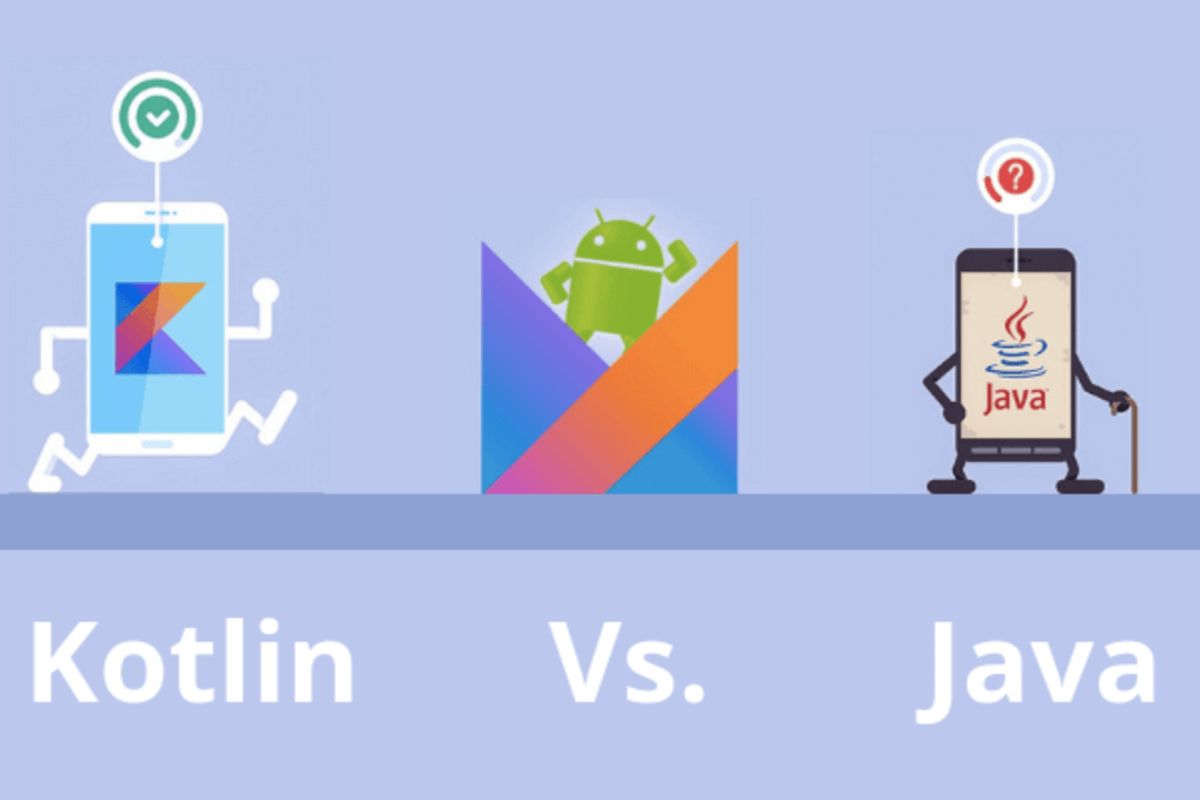
Kotlin vs Java: Which is Better for Android App Development?
- Swan Bella
- Technology
- 2025-09-03 14:50:33
- 1366K
When it comes to Android app development, two programming languages stand out above the rest: Java and Kotlin. These languages have been instrumental in shaping the Android ecosystem, each bringing unique strengths to the table. While Java has long been the traditional choice, Kotlin has emerged as a modern alternative that offers compelling features and enhanced performance. As more businesses seek custom Android app development services, the debate over which language to use continues to gain momentum.
This article delves into the comparative strengths of Kotlin and Java, evaluates their impact on Android development, and explores which one might be the better choice for your project.
The Evolution of Java and Kotlin in Android Development
Java has been around since 1995 and quickly became the official language for Android development when the Android operating system launched in 2008. Its object-oriented nature, robust community support, and extensive libraries made it the default option for building Android apps. Many existing applications and systems are still heavily reliant on Java, and numerous Java development companies have flourished by offering tailored solutions across industries.
Kotlin, introduced by JetBrains in 2011 and officially supported by Google for Android development in 2017, was designed to address some of Java's limitations. It offers a more concise, expressive, and safe syntax. As a result, Kotlin has gained popularity among developers and companies looking to improve productivity and reduce bugs in their Android applications. Kotlin development services are now widely available and increasingly in demand.
Syntax and Code Conciseness
One of the most significant differences between Kotlin and Java lies in their syntax. Kotlin was built to be more expressive and concise, which means developers can accomplish the same tasks with fewer lines of code. This readability not only improves developer productivity but also reduces the likelihood of errors.
In contrast, Java is more verbose. While its strict syntax and structure offer clarity, they also require more code to achieve simple tasks. For businesses that aim for faster development cycles through custom Android app development services, Kotlin often provides a competitive advantage in terms of development speed and maintainability.
Null Safety and Reliability
One of Java's most notorious issues is the NullPointerException, often abbreviated as NPE. This error occurs when the application tries to use an object reference that has not been initialized. NPEs are a common source of bugs and crashes in Android applications.
Kotlin addresses this issue with built-in null safety. It distinguishes between nullable and non-nullable types at the language level, making it easier to catch potential null errors at compile time rather than runtime. This feature significantly enhances app stability and reliability, especially for enterprise applications where robustness is critical.
Performance Considerations
From a performance perspective, both Java and Kotlin compile to bytecode and run on the Java Virtual Machine (JVM), which means they offer similar runtime performance in most cases. However, Kotlin's advanced features and cleaner syntax can lead to more optimized and efficient code, particularly when used by experienced developers.
While Java may perform slightly better in some scenarios due to its mature ecosystem and optimized libraries, Kotlin's performance is more than adequate for the majority of Android applications. The performance gap is usually negligible unless you're building a high-performance application such as a game or a real-time data processing app.
Community Support and Learning Curve
Java has a vast and well-established community with a plethora of resources, including forums, tutorials, and libraries. For beginners and companies engaging in Android development for the first time, Java offers a straightforward entry point.
Kotlin, although newer, is backed by JetBrains and has seen rapid adoption, particularly after Google announced it as the preferred language for Android development. The community is growing, and resources are increasingly becoming available. However, it may still have a steeper learning curve for those who are accustomed to Java or other traditional languages.
For businesses that rely on external partners, choosing between a Java development company or a Kotlin development service provider can depend on the internal technical skills available and the complexity of the app being developed.
Tooling and IDE Support
Both Java and Kotlin are fully supported by Android Studio, the official IDE for Android development. Developers can leverage features like code completion, debugging, and lint checks in both languages. JetBrains, the creator of Kotlin, also develops Android Studio in collaboration with Google, ensuring seamless integration and feature parity.
Kotlin's tooling support is often considered superior due to its modern language features. It offers better support for functional programming paradigms, extension functions, and coroutines, which are not natively available in Java. These features allow for more elegant and efficient code, particularly in asynchronous programming and complex UI development.
Interoperability
One of Kotlin's standout features is its 100% interoperability with Java. This means that developers can call Java code from Kotlin and vice versa, allowing for gradual migration of codebases. This is particularly advantageous for businesses with legacy applications written in Java who wish to modernize their apps without a complete rewrite.
This interoperability also facilitates collaboration between teams using different languages, allowing Java and Kotlin code to coexist within the same project. It provides flexibility in terms of talent acquisition and team composition, which is vital for long-term custom Android app development services.
Industry Adoption and Use Cases
Kotlin has been adopted by major companies such as Google, Pinterest, Uber, and Netflix for their Android applications. Its concise syntax, null safety, and powerful features make it an ideal choice for scalable and maintainable mobile applications.
Java still maintains a strong presence, especially in enterprise-level applications and backend systems. Many Java development companies have built expertise over decades and continue to support a wide range of Android and enterprise applications.
Whether to use Kotlin or Java often depends on the specific requirements of the project, existing infrastructure, and long-term maintenance goals.
Developer Productivity and Team Efficiency
Kotlin enhances developer productivity by reducing boilerplate code, improving code readability, and minimizing errors. Features like data classes, type inference, and smart casts allow developers to focus on solving business problems rather than dealing with repetitive code structures.
Java, while more verbose, has a more predictable structure that some teams may find easier to maintain, particularly if the team consists of developers with extensive Java experience.
Choosing the right language for your development team can have a profound impact on project timelines, cost, and overall code quality. Custom Android app development services often assess these factors before recommending a language for new projects.
Cost Implications
The choice between Kotlin and Java can also influence development costs. Kotlin may offer faster development times due to its concise syntax and modern features, potentially lowering the cost of development in the long run. However, it might require hiring specialized Kotlin developers, which could be more expensive initially.
Java developers are more widely available, and many Java development companies offer competitive pricing due to the maturity and standardization of the language. For startups or companies with limited budgets, Java might seem like the more cost-effective option initially.
That said, the potential for reduced maintenance costs and fewer bugs can make Kotlin a more economical choice over time, especially for complex or large-scale applications.
Future Outlook
Kotlin continues to gain momentum and is now considered the future of Android development. Google’s endorsement and ongoing investments in Kotlin tooling, documentation, and community development suggest that Kotlin will play an increasingly central role in the Android ecosystem.
Java is not disappearing anytime soon, especially given its entrenchment in enterprise environments and the broader software industry. It will continue to be relevant for backend development, Android legacy systems, and cross-platform development through frameworks like Spring and Hibernate.
However, for businesses focusing solely on Android applications, Kotlin represents a forward-looking choice that aligns with the direction of the platform.
Conclusion
Both Kotlin and Java have their own merits, and the choice between them depends on various factors including project requirements, team expertise, development timeline, and budget. Java offers stability, a vast ecosystem, and a large talent pool, making it ideal for many traditional and enterprise applications. Kotlin, on the other hand, provides modern features, concise syntax, and increased safety, which enhance productivity and reduce development errors.
As more companies seek custom Android app development services to meet their business needs, understanding the trade-offs between Kotlin and Java becomes essential. Whether you choose a Java development company or a provider specializing in Kotlin development services, aligning your technology stack with your business goals will ensure long-term success in the Android marketplace.
1366 people like this



About Premium Author
This post has been authored and published by one of our premium contributors, who are experts in their fields. They bring high-quality, well-researched content that adds significant value to our platform.
Leave a Reply
Please login to post a comment.







0 Comments