


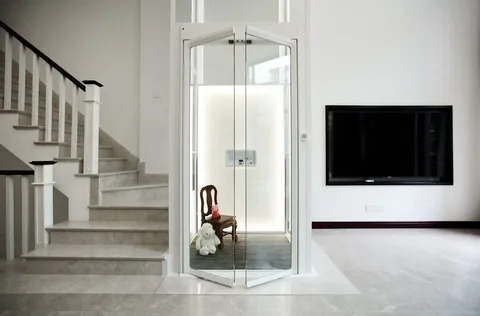
Home Lift Installation Singapore Guide for Modern Homes
- Muhamamd Irfan
- Real Estate
- 2026-06-16 18:11:03
- 2161K
Modern homes are incorporating new features to accommodate the evolving lifestyle needs and design preferences. There are times when having a practical solution to getting between floors of a multi-storey residence is essential for moving comfortably, especially for those that are not able to use the stairs. Homeowners looking for increased accessibility and functional home designs have a reliable choice in residential lift systems. Safe and efficient operation requires careful planning, professional installation and appropriate system selection.
Residential lift systems are a popular choice for the modernization and design of homes. Careful planning, consideration of the structure and technical considerations are needed before the installation of these solutions. The process of home lift installation singapore includes choosing the right lifts, preparing the electrical system, and conducting safety tests to ensure proper installation and safety. A properly structured installation will provide a secure and dependable system that will perform the required functions and become an integrated part of modern living.
The Growing Role of Home Lifts in Modern Residential Living
Why Homeowners Are Considering Residential Lift Systems
Homeowners are turning to residential lift systems for a variety of reasons. There are several reasons why homeowners are considering residential lift systems.
With the rising demand for mobility in private homes, the need for improved mobility solutions has grown. Multi-storey houses typically have more than one storey, which can make them difficult to get around. When moving from floor to floor in a comfortable manner, residential lifts are an effective choice.
Future needs are also taken into account when planning upgrades to homes. Accessibility for members of the family who are of varying ages can be simpler with a residential lift. It allows for a more flexible living space without altering the home's intent.
Furthermore, luxury residential projects are becoming more common in the use of lift systems for premium design planning. Architects and homeowners pay attention to the interior design and useful features. In this manner, lifts can become part of the structure itself, instead of a construction to be attached.
Home Lifts in Contemporary Home Design
Modern home designs are based on efficient use of space and cutting-edge technology. There are now a range of different sizes and configurations of residential lifts to suit various property layouts. Among the factors that are taken into account in designing an efficient system are the space and structure of the building and the preferences of the homeowners.
When installing a lift, it is important to coordinate between the architects, engineers, and installation specialists. Both technical and aesthetic factors for each stage are taken into account. The purpose is to design a system that is efficient in the current home design.
Other considerations for homeowners include cabin style, door placement, and control features. It is these aspects that impact the way the lift fits into the interior environment. Planning produces an equitable relationship between technology and home design.
Understanding the Home Lift Installation Process
Initial Site Assessment and Planning
The installation process starts with a detailed site evaluation. The building structure, available space and technical requirements are assessed. This step allows identifying potential installation issues prior to construction.
Structural conditions and electrical access are reviewed by experts along with the floor layouts. They also decide on the appropriate position of the lift system. Good planning translates to fewer problems during the installation process later on.
Safety standards and building requirements are also taken into consideration during the assessment phase. Experts discuss key factors which affect lift performance. Evaluation is crucial to make an installation plan for a property depending on its conditions.
Lift Design Selection and System Configuration
Once a site has been evaluated, homeowners choose an appropriate lift design. There are several features, capacities and installation requirements that are provided with different residential lift systems. The option depends upon the size of the property, the use that it's being put to, and available space.
Technical options are discussed with homeowners prior to the finalization of the system. These discussions cover cabin design, operating procedures and safety aspects. A proper setup will allow the lift to meet the practical and aesthetic requirements.
Long-term maintenance is also taken into account in the process of system selection. An effective design facilitates easier service and operation over time. Hence, the right configuration is also significant during the installation process.
Installation Preparation and Construction Work
The area is prepared before the installation. This can include structural changes, electrical work and space planning. There are technical guidelines for each step to ensure safety and performance.
Installation teams liaise with construction teams to ensure all necessary modifications are made. They create the lift parts following the design picked. Proper preparation yields a smooth assembly and system alignment.
During this phase, specialists also check the measurements and installation conditions. These inspections help to minimise errors and ensure quality control during the project
Core Components of a Residential Lift System
Lift Cabin and Control Features
Lift cabins are the primary passenger space of a domestic lift system. It is designed for comfort, safety and ease of use. There are a variety of cabin finishes, control layouts and sizes for homeowners to choose depending on property needs.
Today, lift cabins have control panels that are easy to use and safety features. A system of controls enables passengers to easily control the system between floors. Some extra security during unexpected situations with emergency communication features.
Experts take into account the cabin size when planning. Cabin size and configuration are determined by the space within the property. By careful selection, comfortable use and efficient operation of the space in the residence.
Drive Systems and Mechanical Components
A drive system regulates the lifting and lowering of the lifts within residential buildings. Various systems employ different mechanisms depending on building structure and system installation needs. There are several types available, such as hydraulic, traction and machine-room-less.
The technical characteristics are unique to each system. Experts consider the building's dimensions, the space available, and the number of people using the space before they choose the right one. This will help the lift perform well in the house.
Mechanical components should be properly installed as well. The motors, guide rails and lifting mechanisms have to operate in harmony. The correct installation will ensure smooth movement and reliability.
Power Supply and Emergency Functions
Residential lifts need to be powered regularly for use. Installation crews verify electric needs prior to system connections. They make sure that the home infrastructure can cope with the operational needs of the lift.
Emergency functions are also included in modern systems. Backup power options, alarms, and communication systems offer increased security in the event of a power outage or emergency.
When installing a home lift installation Singapore, the professionals conduct a careful assessment of electrical and emergency needs. The checks help to keep the lift operational and safe for use on a daily basis.
Key Factors That Influence Installation Planning
Property Layout and Available Space
Each house is different and has its own structure, which can impact the planning of lifts. Experts evaluate the layout of the floor, the ceiling height and installation space available before choosing a system.
The type of lift will be determined by space availability. Smaller homes may have a compact system, and larger homes may have more advanced systems in place.
When planning to lift the structure, careful arrangement of the work helps to avoid structural difficulties and incorporate the lift seamlessly into the original design.
Building Regulations and Safety Requirements
There are certain safety and technical guidelines that must be adhered to in residential lift projects. Experts review applicable requirements before commencing to install.
Safety aspects such as lift operation and electrical and safety features. This conforms to these standards and provides the expected performance of the system.
Installation teams are experienced and well-documented and use the appropriate testing procedures. This provides an assured evidence of compliance at the end of the project.
Installation Timeline Considerations
Installation time varies depending on property requirements, construction needs and system type. The different teams can schedule properly to function together efficiently.
The time required for preparation can impact on the overall duration of the project. Care must be taken in the structural adjustment, electrical connections and assembling of components.
Having a solid timeline will let homeowners know what each stage of installation entails. It also enables professionals to undertake the task correctly, ensuring the quality and safety of their work.
Safety Standards in Residential Lift Installation
Safety Features Included in Modern Lifts
Modern domestic lifts have a number of safety features to ensure the safety of the person using the lift. They include door sensors and alarms, emergency brakes, and overload protection systems.
All components have an important role in keeping the operation safe. These features are tested during installation by professionals to ensure that they are functioning correctly.
Designed for safety, it gives customers peace of mind when using the lift on a regular basis. Even post-installation monitoring ensures long-term system reliability.
Inspection and Compliance Procedures
Following a successful installation, the professionals do a detailed inspection. They investigate mechanical operation and electrical connections and safety systems.
The performance of the lift is confirmed by testing. Inspection procedures also check for the proper functioning of all components.
Installation and inspection results are recorded in good documentation. These records will be useful for future servicing and maintenance.
Common Challenges During Home Lift Installation
Structural Constraints in Existing Homes
Structural issues can be encountered on existing homes. Space constraints, building layout and use may impact system selection.
These conditions are judged by professionals and appropriate options recommended. They think about the fit and how it can be done without making inordinate alterations to the property structure.
By planning carefully, installation teams can effectively deal with structural restrictions. This way, the lift is in line with the layout in the home, and at the same time, the safety standards are met.
Electrical and Mechanical Requirements
Electrical and mechanical preparations must be done correctly for a residential lift. System performance can be impacted by improper connections and/or inadequate infrastructure.
The installation team checks power needs and mechanical areas prior to installation. They organise various technical aspects so that they can operate smoothly.
Professional planning eliminates installation problems and ensures that the lift remains reliable for years.
Space Optimization Concerns
Space is another factor that needs to be kept in mind when considering a residential lift project. A house owner may desire to have a system which offers functionality without affecting interior design.
Experts assess the space-saving features and locations. They locate appropriate places, ensuring they are accessible and visually balanced.
A good space planner can enable the homeowner to fit lift systems into their property whilst maintaining the character of the property.
Long-Term Considerations After Installation
Routine Maintenance Requirements
After installation, residential lifts need regular servicing. Regular checks can be carried out on mechanical and electrical equipment.
Maintenance activities involve the testing of the system, checking of components and evaluation of performance. These procedures ensure smooth running and help detect any problems at an early stage.
A maintenance plan is beneficial for homeowners to keep their investment safe and to maintain the use of lifts safely.
System Performance Monitoring
Lift performance monitoring is useful to gain information about the condition of the system. Service visits provide for a review of operating patterns and examination of key components by professionals.
Performance checks provide insight as to changes that could suggest a problem. If there are concerns, they can be addressed before they become an issue to daily operation by getting attention early on. The various monitoring techniques being used now also give better visibility into systems' performance.
Lifespan and Component Upgrades
Residential lifts with proper care and maintenance can be used for a long time. Some parts, however, may need to be upgraded as time goes by.
New changes in technology can give new features and better operating systems. Upgrades can be assessed by the homeowner and their needs for the future. The lift is evaluated regularly for continuous service to meet the needs of the household.
Future Trends in Residential Lift Technology
Smart Lift Features
Smart technology is increasingly being used in home lift technology. Digital controls, automation, and connectivity are examples of modern solutions.
The technologies enable homeowners to have more control over the operation of the lift. Smart capabilities also provide more convenient and efficient user experiences.
With the advancements in residential technology, smart lift systems still continue to be a topic of discussion with modern homeowners.
Energy-Efficient Lift Systems
Energy efficiency is now a part of the considerations of residential design. Lift manufacturers are creating systems which use less power and still produce a reliable lift.
The energy efficiency of the components helps to lower operational costs and contributes to sustainable building. Environmental concerns are growing in importance for homeowners when choosing technologies for their home.
Compact Lift Designs for Urban Homes
Big houses are available in the urban areas, but there is the problem of space constraint. To overcome this, compact designs for lifts are available to provide efficient solutions for smaller properties.
These systems do not need as much space in which to structure, and they are still functional. They offer homeowners the flexibility of moving around within a restricted space.
These are likely to be the key design priorities for future lifts in residential applications, as smaller footprints, smarter controls and optimised energy use are being adopted.
Conclusion
Home lift systems have become a crucial aspect of contemporary home design. Installation entails a thorough assessment, system selection, preparation of structures, and safety checks. However, they all need skilled professionals to ensure that they function properly and are reliable for the home. When homeowners plan and install the home they want with home accessibility in mind, they can end up with a functional space that is more accessible. Home lift installation singapore will continue to be a great asset in modern homes as homes' designs evolve.
FAQs
What is the process of installation of home lifts?
The installation process of a home lift involves various stages such as planning, assessment, selection of the system, and professional installation. Structural and electrical considerations are reviewed by experts in advance of installation of the lift. This will allow safe operation and proper integration with the property design.
What is the reason for residential lift systems being installed in modern homes?
Modern properties include multiple floors, which are easier to move between with residential lifts. They provide practical solutions for people who have different mobility needs throughout their lives. These systems can also contribute to the functional enhancement of modern home designs.
What is the time frame for a lift installation in a residence?
Depending on the property structure, the type of lift and the preparation required, the installation process can take a different duration. Each project is evaluated by professionals to develop an appropriate schedule. When installing a new roof on an existing building, it is important to plan ahead to avoid delays during the installation process.
What should homeowners think about prior to installation?
When installing a home lift, Singapore homeowners must consider the space available, safety, system design and maintenance needs. The chosen system is installed in the home with professional help and advice to ensure it meets the home's long-term requirements.
2161 people like this



About Premium Author
This post has been authored and published by one of our premium contributors, who are experts in their fields. They bring high-quality, well-researched content that adds significant value to our platform.
Leave a Reply
Please login to post a comment.





0 Comments