


How Doctors Choose the Right Azoospermia Treatment for Patients
- Australian Concept
- Health
- 2025-09-09 11:17:48
- 1445K
Azoospermia, the medical condition where no sperm is found in a man’s semen, is one of the leading causes of male infertility treatment in Pakistan. For many couples, this diagnosis can feel overwhelming, but modern reproductive medicine provides hope. Choosing the right treatment is not a one-size-fits-all approach. Doctors carefully assess each patient’s condition before recommending the best option.
Step 1: Understanding the Type of Azoospermia
Doctors first determine whether the azoospermia is obstructive or non-obstructive.
Obstructive azoospermia occurs when sperm production is normal, but a blockage prevents sperm from reaching the semen.
Non-obstructive azoospermia happens when the testicles produce little or no sperm.
Identifying the type is critical, as treatments differ significantly.
Step 2: Detailed Medical History and Physical Examination
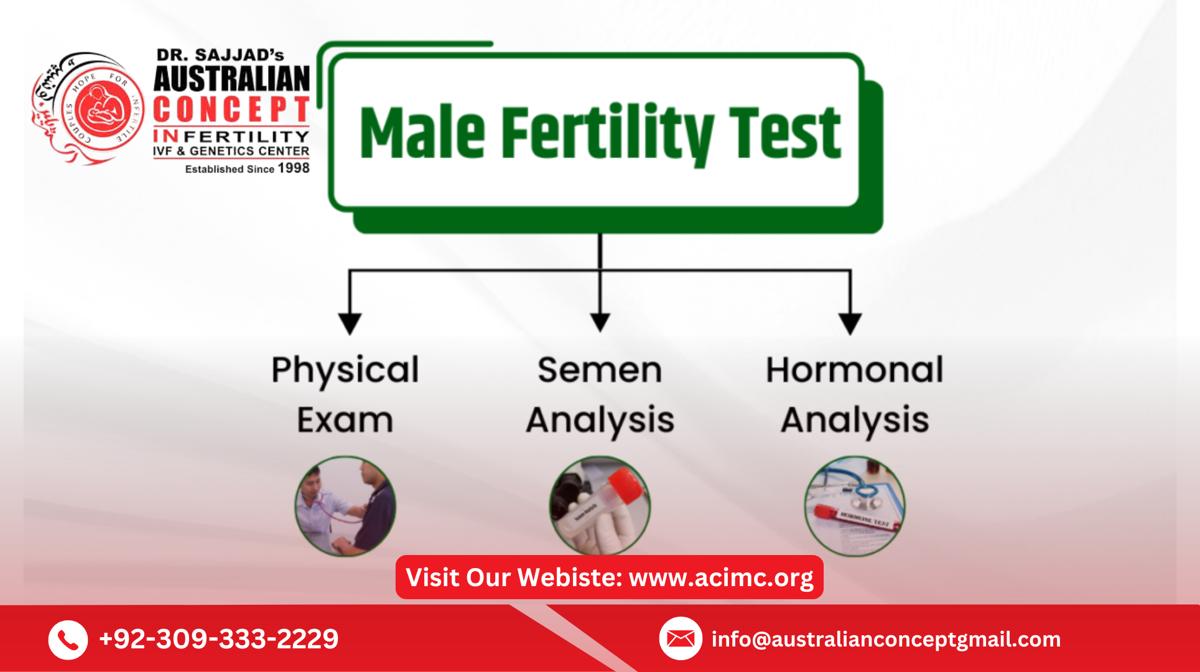
The process begins with a thorough medical history. Doctors review past illnesses, surgeries, and lifestyle factors that may affect fertility. A physical exam helps identify structural issues such as blockages or hormonal imbalances.
Step 3: Semen Analysis and Hormone Testing
Multiple semen analyses are conducted to confirm the absence of sperm. Hormonal testing provides insights into how well the testes are functioning. Abnormal levels of hormones like FSH, LH, and testosterone may suggest reduced sperm production.
Step 4: Genetic Testing
In many cases, genetic factors can cause azoospermia. Doctors may recommend genetic testing to detect conditions like Y-chromosome microdeletions or chromosomal abnormalities. This helps guide treatment and provides important information about potential risks for future children.
Step 5: Advanced Diagnostic Procedures
For non-obstructive cases, a testicular biopsy may be performed to check if sperm are being produced inside the testes. If viable sperm are found, they can often be retrieved for procedures like ICSI (Intracytoplasmic Sperm Injection).
Step 6: Tailoring the Treatment Plan
Based on the findings, doctors recommend the most suitable treatment:
Surgery to correct blockages in obstructive azoospermia.
Hormonal therapy if imbalances are detected.
Sperm retrieval techniques like TESE or micro-TESE, combined with assisted reproductive technologies such as IVF and ICSI.
In cases where sperm cannot be retrieved, donor sperm may be discussed as an option.
Step 7: Emotional and Supportive Care
Azoospermia is not just a medical challenge it can also be emotionally taxing. Doctors emphasize counseling and support throughout the treatment journey to help couples cope with the stress and make informed decisions.
Conclusion:
Determining the right azoospermia treatment involves a step-by-step approach that looks at medical, genetic, and lifestyle factors. With careful evaluation, doctors create a personalized plan to give each couple the best possible chance of achieving parenthood.
1445 people like this



About Premium Author
This post has been authored and published by one of our premium contributors, who are experts in their fields. They bring high-quality, well-researched content that adds significant value to our platform.
Leave a Reply
Please login to post a comment.








0 Comments