



Chronic Lower Back Pain Relief: Effective Solutions with Aspadol 100mg
- amber swift
- Health
- 2025-07-16 15:54:36
- 502K
Chronic lower back pain frequently occurs among adults of all ages. It is usually classified as pain lasting 12 weeks or more, regardless of the healing of the original injury or precipitating factor. It can interfere with day-to-day activities, professional lives, and overall well-being. Several steps have been developed to manage and relieve chronic lower back pain effectively.
In certain instances, where relief from standard therapies is inadequate, medication has been given as part of a complete treatment regimen. One of these is Aspadol 100mg, a prescription analgesic for the management of moderate to severe chronic lower back pain. The active ingredient, tapentadol, acts on the central nervous system by altering pain perception and response. It's a two-way action that combines mu-opioid receptor agonism with norepinephrine reuptake inhibition and is hence a useful alternative where other NSAIDs or muscle relaxants have been found ineffective. With strict medical monitoring, Aspadol has been used to ensure mobility as well as long-term pain relief in chronic pain conditions.
Causes of Chronic Lower Back Pain
Chronic lower back pain is frequently due to a combination of physical and lifestyle factors. Some of the most frequent causes include:
- Degenerative Disc Disease: Spinal discs weaken with age and can generate chronic back pain.
- Herniated Discs: When the soft tissue inside a disc is displaced or ruptures, it can compress spinal nerves.
- Spinal Stenosis: Spinal canal narrowing can compress nerves, generating chronic pain.
- Poor Posture: Poor sitting or standing posture over a long period can chronically stress the lower back.
- Muscle Weakness or Imbalance: Weak or imbalanced abdominal and core muscles can also stress the back further.
- Injuries: Injuries that occurred in the past and did not heal properly can turn into chronic pain.
Non-Pharmacological Treatments
Several treatments have been employed to reduce lower back pain without the use of drugs. These treatments have been widely embraced and suggested for their non-surgical nature:
- Physical Therapy: Strengthening the core muscles, posture correction, and flexibility exercises are generally employed. This is generally performed under the guidance of a licensed physiotherapist.
- Heat and Cold Therapy: Application of heating pads or ice packs on the lower back may reduce inflammation and relieve sore muscles.
- Massage Therapy: Massage has been employed to relieve strained muscles and improve circulation.
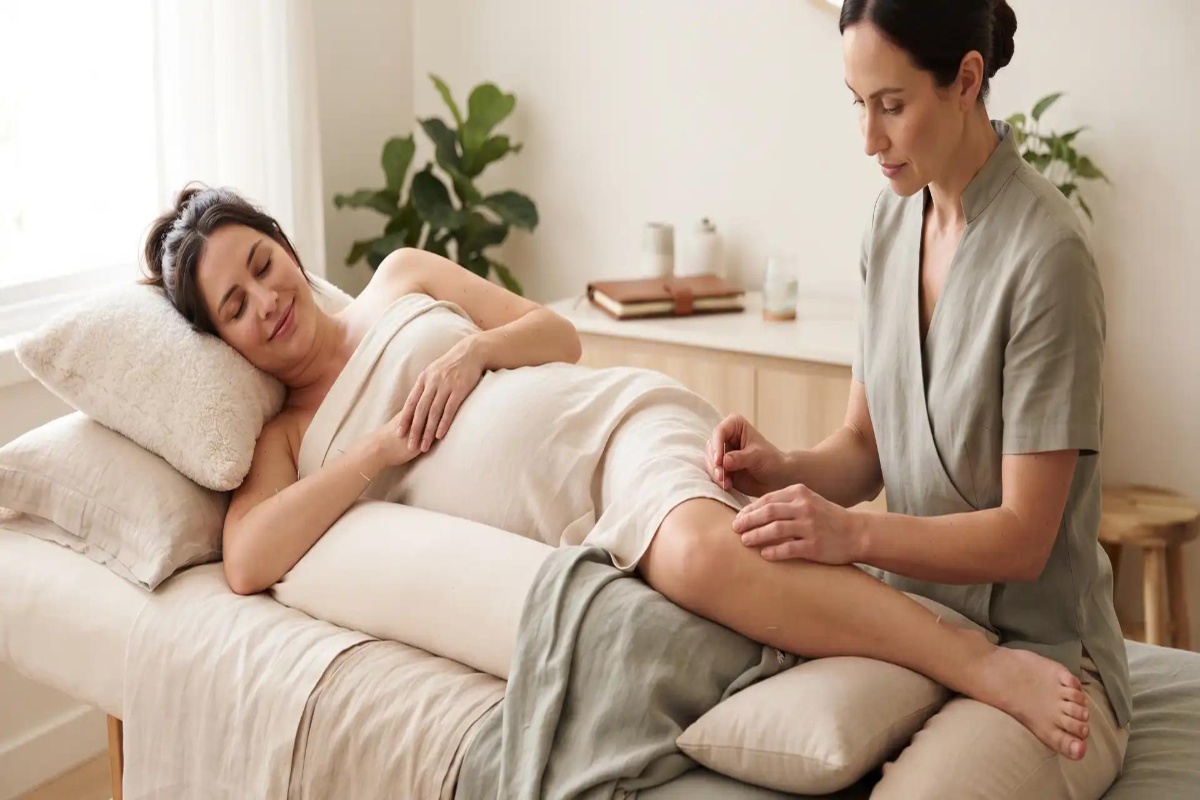
- Acupuncture: Thin needles inserted into specific pressure points have been observed to relieve pain in some patients.
- Chiropractic Adjustments: Spinal manipulation techniques have been utilized by chiropractors to restore movement and positioning.
Pharmacologic Pain Management
Should conservative treatments be ineffective, medications are typically included in the treatment regimen:
- NSAIDs (Non-Steroidal Anti-Inflammatory Drugs): Drugs such as ibuprofen or naproxen are typically prescribed for inflammatory pain.
- Muscle Relaxants: Used in the case of spasms or muscle contraction.
- Topical Agents: Creams or patches containing menthol, capsaicin, or lidocaine applied locally to provide relief to a particular area.
Prescription Painkillers: For severe and chronic pain, stronger medication such as Aspadol 100mg (Tapentadol) is used. Tapentadol is a drug that acts directly on the brain's pain receptors and is effective for treating chronic lower back pain when other methods are ineffective. Patients taking Tapentadol are strictly monitored to prevent harm since the drug can lead to side effects and addiction.
Lifestyle Changes for Pain Prevention
- Chronic lower back pain may be prevented, or its intensity reduced, through some lifestyle adjustments:
- Exercise Every Day: Low-impact aerobics like swimming, walking, or yoga have guaranteed that flexibility and strength in the lower back have been preserved.
- Be at a Healthy Weight: Being overweight can impose extra stress on the lumbar spine, resulting in chronic pain.
- Don't Sit for Long Periods: Sitting for extended periods, especially in non-supportive chairs, can worsen pain. Continuous change of position is advised.
- Use Correct Lifting Techniques: Bending at the knee and holding the load close to the body will help avoid injury.
- Sleep Posture Education: Sleeping on a firm mattress and in a position that supports spinal alignment can facilitate recovery.
Surgical Issues
Surgery has traditionally been reserved as a last option when all other nonoperative treatments have been ineffective. Surgery is determined by the underlying cause and could encompass:
- Spinal Fusion: Joining two or more vertebrae together to restrict movement and relieve pain.
- Discectomy: Removal of part or all of a herniated disk compressing a nerve.
- Laminectomy: A surgery that removes part of the vertebrae to relieve a nerve.
Surgery is reserved for cautious evaluation and is usually only performed with extreme nerve compression, loss of function, or incapacitating pain.
Complementary and Alternative Methods
In addition to traditional medical therapy, others seek relief in complementary treatments:
- Mindfulness and Meditation: Mind-body methods have been utilized to reduce perception of pain and improve coping capacity.
- Tai Chi: A slow movement exercise that has been used to improve balance, posture, and pain response.
- Cognitive Behavioral Therapy (CBT): Psychological therapy for reconditioning unpleasant pain thoughts.
Monitoring and Follow-Up
Chronic lower back pain has been best controlled under ongoing medical surveillance. Pain intensity, side effects from pain medications, and the presence of functional capacity are monitored closely in the usual course. Treatment regimens are regularly modified on the basis of patient response and progress.
Conclusion
Chronic lower back pain has proven to be a hard disease for some, but with the ideal combination of physical therapy, medication like Aspadol 100mg, and slight modifications in life, long-term relief is achievable. The insurance under Tapentadol-based drugs, under a stern doctor's recommendation, offers a reliable course of action for those whose pain limits daily function. Multidisciplinary therapy still remains the place for improving quality of life without adding to discomfort.
502 people like this



About Premium Author
This post has been authored and published by one of our premium contributors, who are experts in their fields. They bring high-quality, well-researched content that adds significant value to our platform.
Leave a Reply
Please login to post a comment.







0 Comments