


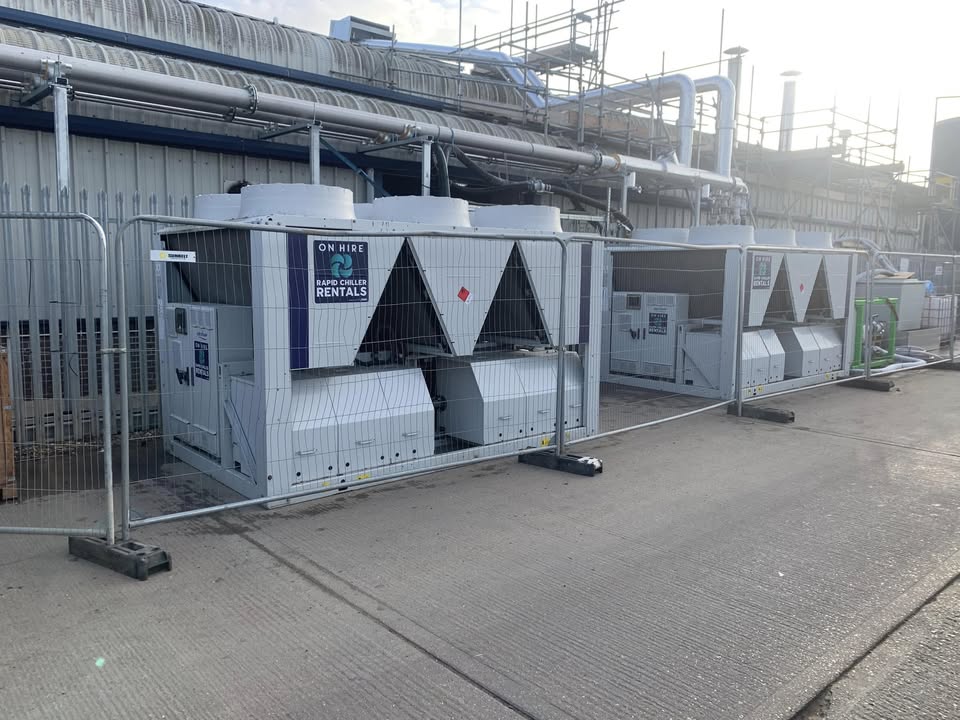
The Ultimate Guide to Chiller Hire: Everything you need to know
- Rapid Chiller Rentals Ltd
- Business
- 2025-11-05 19:00:15
- 1768K
Temperature control is a critical element across many industries, from construction and manufacturing to events and hospitality. Maintaining the right temperature ensures operational efficiency, safety, and product quality. For businesses that face fluctuating or temporary cooling requirements, investing in permanent equipment can be costly and impractical. This is where chiller hire comes in—a flexible, cost-effective solution for short-term and long-term cooling needs.
In this article, we’ll explore the essentials of chiller hire, including its benefits, applications, operational considerations, and how businesses can leverage these services effectively. Our aim is to provide informative guidance that helps readers understand why temporary chiller solutions, like those offered by Rapid Chillers, are increasingly popular in the UK and beyond.
What is Chiller Hire?
Chiller hire refers to the rental of industrial or commercial chillers for temporary use. Unlike permanent installations, rental chillers provide immediate access to high-performance cooling systems without the upfront capital costs of purchase.
These units are designed to maintain controlled temperatures for liquids or air in various applications, ranging from industrial processes to event cooling. Rental solutions often include delivery, installation, and maintenance services, ensuring businesses can focus on their core operations while the equipment operates efficiently.
Types of Chillers Available for Hire
Air-Cooled Chillers: Ideal for environments where water cooling is impractical, offering straightforward installation.
Water-Cooled Chillers: More energy-efficient in large-scale applications, often used in industrial settings.
Portable Chillers: Compact and flexible units that can be deployed quickly for temporary needs.
Chiller hire services provide the flexibility to select the right type and capacity depending on project size, duration, and operational requirements.
Benefits of Chiller Hire
Renting a chiller offers several advantages over purchasing equipment outright. Here are the key benefits:
Cost Efficiency: Eliminates the need for large capital expenditure and reduces maintenance costs.
Flexibility: Hire periods can range from a few days to months, making it ideal for temporary projects or seasonal demand.
Quick Deployment: Rental providers supply ready-to-use units, reducing installation and commissioning time.
Access to Expertise: Experienced suppliers, like Rapid Chillers, provide technical support and maintenance, ensuring optimal operation.
Scalability: Units can be added or removed as cooling demands change, avoiding over-investment.
These benefits make chiller hire an attractive option for industries where cooling needs fluctuate or for businesses that require temporary solutions during emergencies or special projects.
Applications of Chiller Hire
The versatility of chiller hire makes it suitable for a wide range of applications. Some of the most common include:
Industrial Manufacturing: Maintaining precise temperatures in plastic injection molding, chemical production, and metalworking processes.
Food & Beverage Industry: Keeping perishable goods fresh during storage or transportation, and providing temporary cooling during high-demand periods.
Construction Sites: Ensuring concrete curing, temporary air conditioning, or cooling for temperature-sensitive materials.
Events & Hospitality: Outdoor events, weddings, festivals, and temporary catering setups often require portable cooling solutions.
Emergency Cooling: Backup systems for sudden equipment failure, seasonal spikes, or unplanned maintenance downtime.
By opting for chiller hire, businesses can meet these needs efficiently without committing to long-term infrastructure.
How Chillers Work
Understanding how chillers operate can help businesses maximize their efficiency and ensure safe use. Most chillers operate on a basic refrigeration cycle involving four main components:
Compressor: Circulates refrigerant through the system and raises its pressure.
Condenser: Dissipates heat from the refrigerant to the surrounding environment.
Expansion Valve: Reduces pressure and temperature of the refrigerant before entering the evaporator.
Evaporator: Absorbs heat from the liquid or air being cooled.
Modern rental chillers often come with advanced features such as temperature control panels, remote monitoring, and energy-efficient components. These enhancements allow precise regulation of temperatures, ensuring products, materials, or environments remain within safe operational limits.
Choosing the Right Chiller for Hire
Selecting the right chiller is essential for performance and cost-effectiveness. Factors to consider include:
Cooling Capacity: Match the unit’s capacity (kW or BTU) to the load requirements.
Type of Chiller: Choose between air-cooled, water-cooled, or portable units depending on environmental constraints and efficiency goals.
Rental Duration: Determine whether short-term, seasonal, or long-term hire best suits operational needs.
Maintenance and Support: Ensure the rental provider offers ongoing support, inspections, and preventative maintenance.
Energy Efficiency: Prioritize units with lower power consumption to reduce operational costs.
Noise Levels: Consider noise restrictions, particularly for events or urban installations.
By carefully evaluating these criteria, businesses can ensure they rent a chiller that meets both operational and budgetary requirements.
Installation, Operation, and Safety
Even when hiring a chiller, correct installation and safe operation are critical:
Professional Installation: Ensure units are placed on stable, level surfaces with adequate ventilation.
Regular Monitoring: Track temperature, flow rates, and system performance.
Preventive Maintenance: Though typically handled by the rental provider, routine checks of filters, pumps, and components are essential.
Emergency Preparedness: Have contingency plans for power outages or unexpected failures.
Compliance: Confirm that all installations meet local health, safety, and environmental regulations.
Adhering to these practices ensures both equipment longevity and the safety of personnel.
Cost Considerations and Return on Investment
Chiller hire can offer significant financial advantages, particularly when compared to purchasing and maintaining permanent units. Factors that influence rental costs include:
Cooling capacity and unit size
Duration of the hire
Type of chiller (air-cooled or water-cooled)
Additional services such as delivery, installation, and maintenance
The return on investment comes from avoiding large capital outlays, minimizing downtime, and accessing high-quality, professionally serviced equipment without long-term commitments.
Emerging Trends in Chiller Hire
The chiller rental industry is evolving with technology and sustainability considerations:
Eco-Friendly Refrigerants: Reducing environmental impact while maintaining cooling efficiency.
IoT-Enabled Monitoring: Remote diagnostics and predictive maintenance for proactive issue resolution.
Portable and Modular Designs: Increasing mobility, scalability, and ease of deployment.
Energy-Efficient Components: Optimized compressors, heat exchangers, and controls to lower energy consumption.
Businesses renting chillers today are increasingly benefiting from smarter, greener, and more versatile equipment.
Conclusion
Chiller hire provides a practical, flexible, and cost-effective solution for businesses needing temporary or scalable cooling. From industrial manufacturing and food processing to construction sites and events, rental chillers help maintain operational efficiency, product quality, and environmental safety.
By partnering with trusted suppliers like Rapid Chillers, companies gain access to expertly maintained, high-performance units tailored to their unique requirements. Understanding the benefits, applications, operational considerations, and future trends ensures businesses can make informed decisions about temporary cooling solutions.
1768 people like this



About Premium Author
This post has been authored and published by one of our premium contributors, who are experts in their fields. They bring high-quality, well-researched content that adds significant value to our platform.
Leave a Reply
Please login to post a comment.







0 Comments