


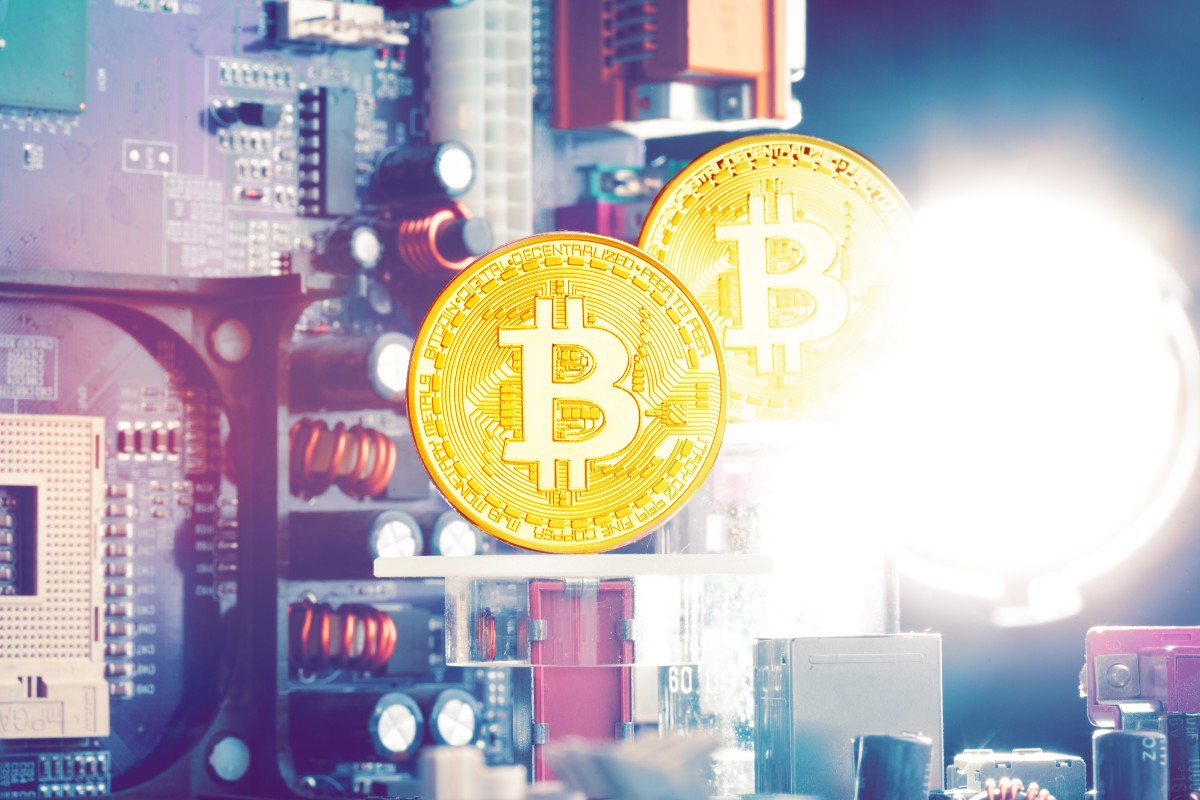
What It’s Really Like to Be a Bitcoin Miner in 2025
- Daniel Reed
- Technology
- 2025-08-04 18:13:01
- 1036K
I’ll be honest—when I first heard the term bitcoin miner, I pictured some guy in a digital cave with a pickaxe made of code, digging for invisible coins. Funny how far off that image was… and yet, not entirely wrong. It’s been two years since I plugged in my first mining rig, and I still get that odd mix of fascination and frustration every time I hear those fans kick in.
Back in 2023, I stumbled into crypto through a friend who was obsessing over price charts and GPU specs. I didn’t really get it. But I was curious. So, I started reading, watching videos, and asking dumb questions on forums. Eventually, I got the itch to try mining myself. One cheap secondhand rig, one overheated room, and many headaches later—I became a bitcoin miner.
The Early Days: More Heat Than Hash
When I first fired up that mining machine, I half expected money to just flow into my wallet. That’s what the internet promised, right? Fast profits, passive income, retire by 30?
Yeah… no.
What actually happened was a crash course in patience. The power supply was flaky. The room got so hot I had to open windows even in winter. And the noise—imagine a hair dryer running 24/7. Not exactly the serene passive income dream I was sold.
But somehow, it was fun. I was learning. I was part of something bigger. That first time I saw my wallet balance tick up, even by a tiny fraction, it felt like I’d cracked the code.
Truth is, being a bitcoin miner isn't about luck or quick wins. It’s about understanding the tech, optimizing your setup, and keeping your machines alive and well. And yeah, sometimes you need to get your hands dirty—literally, if you’re swapping out dusty fans or fixing cables at 2 a.m.
What Most People Don’t Tell You
Let’s clear the air—mining isn't always profitable. The market’s unpredictable, electricity costs vary wildly, and mining difficulty is constantly climbing. There are good weeks… and then there are weeks you wonder why you even started.
I live in a region with mid-range power rates. Not the worst, but definitely not ideal. So profitability becomes this game of math and timing. I track wattage, adjust firmware, and even experimented with immersion cooling once (spoiler: messy but kind of cool).
The second time I upgraded my rig, I felt like I was finally becoming a “real” bitcoin miner. I knew how to benchmark performance, how to switch pools, and how to keep my machines from overheating. Still, even with that knowledge, it’s a constant hustle.
Sometimes I think people expect miners to be these tech geniuses. Honestly, you just need curiosity, some grit, and a willingness to mess up and learn.
Choosing the Right Hardware (And Surviving Buyer’s Remorse)
If you’re thinking of starting, prepare for a rabbit hole of specs, models, and acronyms. ASICs, hash rates, power draws, ROI calculators… it’s a lot.
My first miner was an Antminer S9. Reliable-ish, but ancient by today’s standards. I eventually moved on to an S19 Pro, which made a huge difference in hash power and efficiency. But the initial cost? Let’s just say I felt it.
Being a bitcoin miner means making some tough choices. You’ll often ask yourself: Do I reinvest in better gear or take profits? Do I chase higher yields or play it safe? And can I actually afford this electricity bill?
Spoiler alert: There’s no one right answer.
The Unexpected Perks (And Some Regrets)
Despite the stress and unpredictability, there’s a weird sense of pride that comes with mining. You’re literally contributing to the Bitcoin network, helping validate transactions, and earning a slice of the action. That’s kind of awesome.
You also meet interesting folks—some helpful, some hilariously overconfident. The mining community can be chaotic, but it’s full of people who are genuinely excited about the future of decentralized finance.
But let’s keep it real: if you’re expecting a smooth ride, think again. There will be setbacks. I’ve fried a PSU. I’ve had a pool server go down in the middle of the night. I’ve watched Bitcoin drop 30% right after buying new gear.
Still, would I do it again? Honestly, yeah. With better planning this time.
Is Mining Still Worth It in 2025?
It depends. If you’ve got cheap electricity, some startup capital, and a bit of tech know-how, it can be worth it. But if you're just chasing quick gains, it might be more trouble than it’s worth.
Being a bitcoin miner today isn’t what it was in 2013. The landscape is more competitive, more expensive, and a lot louder (literally and figuratively). But it’s also more rewarding in ways that go beyond money.
You’ll learn about decentralization, networks, economics, and engineering—all by just trying to keep your machine online and productive. And while mining may not be a golden ticket anymore, it’s still a solid way to participate in the crypto ecosystem with skin in the game.
Just go in with your eyes open, your power bill in hand, and maybe a pair of earplugs.
When It’s More Than Just the Coins
At the end of the day, being a bitcoin miner isn't about striking digital gold. It's about learning, adapting, and being part of something global and evolving.
My rigs aren’t just machines—they’re little reminders that the financial world is changing, and that regular folks can still play a part. Even if it’s a small one, and even if it occasionally involves rebooting routers at midnight.
1036 people like this



About Premium Author
This post has been authored and published by one of our premium contributors, who are experts in their fields. They bring high-quality, well-researched content that adds significant value to our platform.
Leave a Reply
Please login to post a comment.






0 Comments